Daylight savings is right around the alarm clock, and while some might dread springing forward, it’s the perfect time for lightening up the room in a colorful way. This doesn’t just mean pastels and spring cleaning but also revitalizing the overall atmosphere with lighter colors. Materials are a big part of this, and using natural, sustainable materials is an easy way to embrace the brighter, longer days.
Why are Natural Materials Generally Lighter?

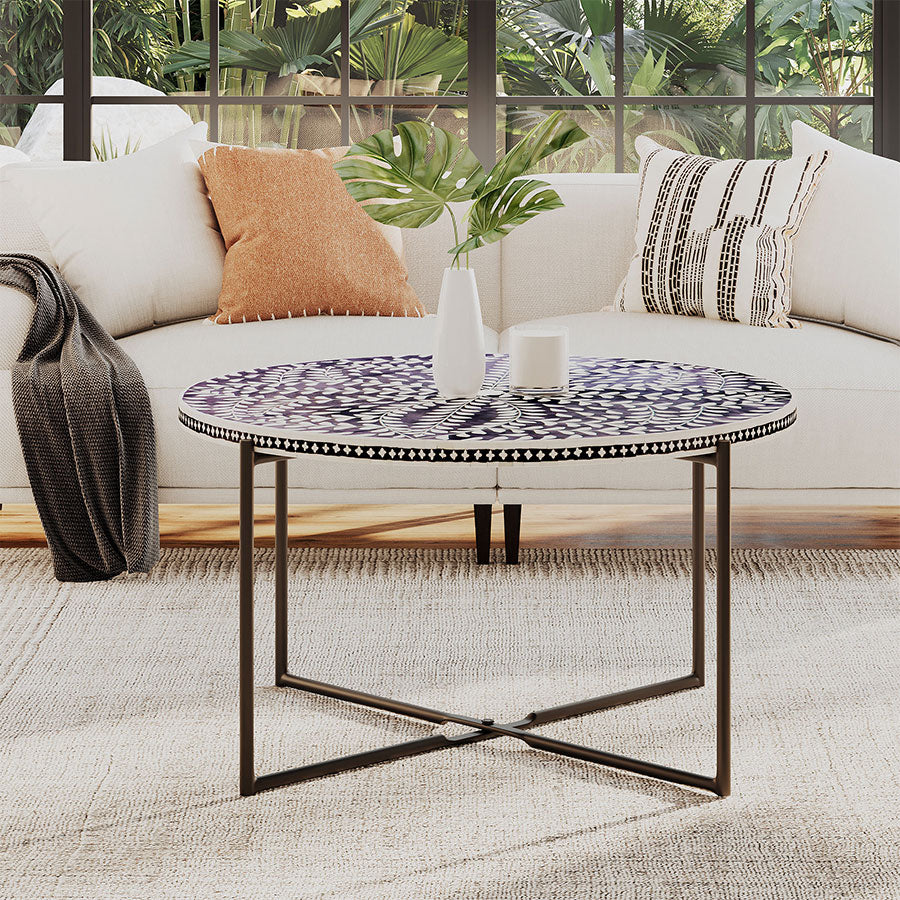
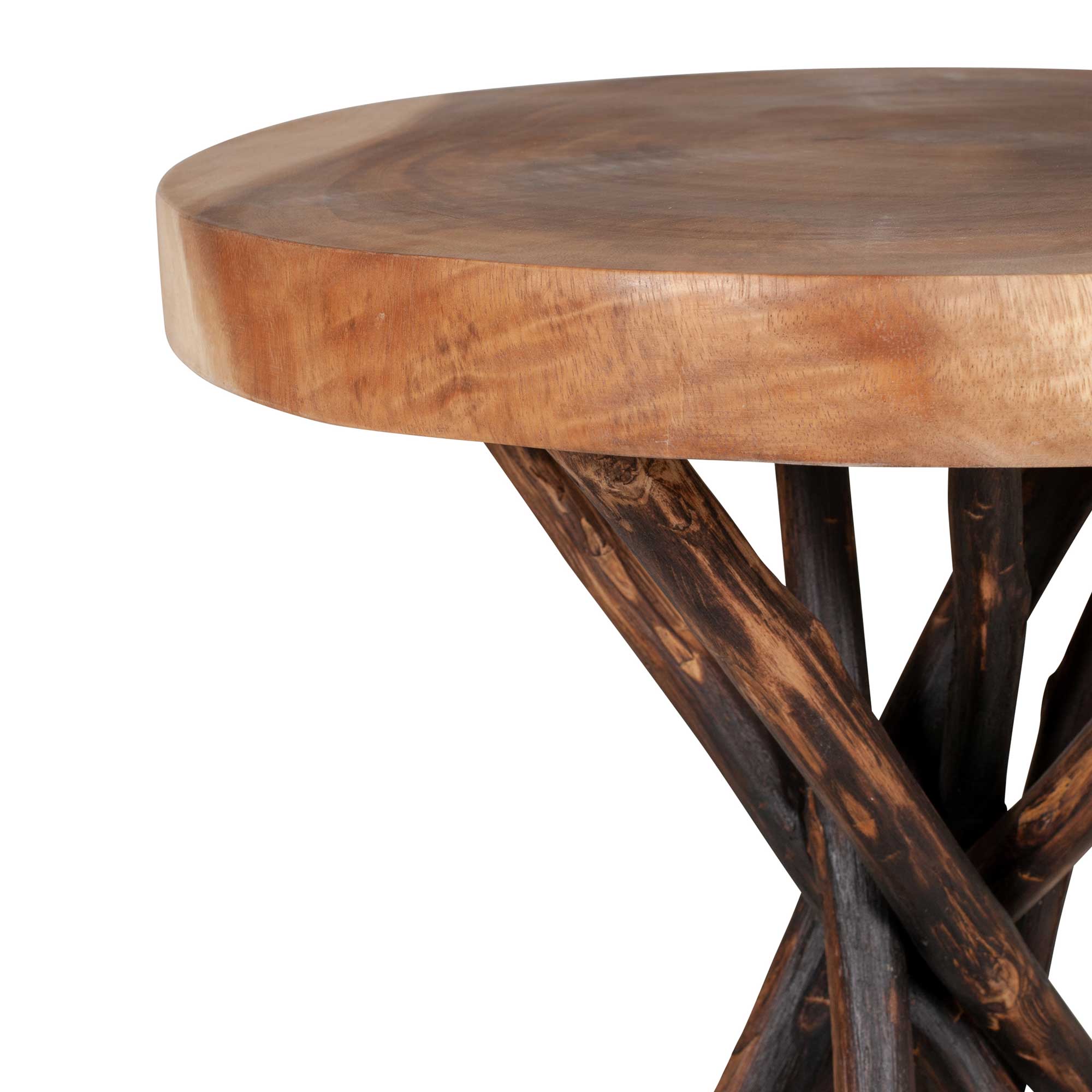
Whether they’re directly exposed to sunlight or in an otherwise dark room, natural materials tend to give off a lighter aesthetic. This can be seen in certain, which have various compounds that react to both light and aging differently. For instance, mango wood looks lighter, even in darkness, due to a process called spalting. This creates streaks of light that emphasize natural grains and undertones, as seen in the Isla Scalloped Round Side Table. Whether it’s in the brown or white versions, there are subtle variations in the coloring that create a sense of brightness, regardless of how much light there is around the piece.
Another material that’s certain to shed a new light on things this spring is rattan, which also boasts a far more naturally light color scheme compared to more synthetic materials. There’s an inherently tan/orange hue to the palm, and staining rattan can actually make this brightness come forward even stronger. It helps that it can make a room feel in tune with nature in multiple ways. The most obvious aspect of this is that the material creates a coastal, beach-like aura that’s eclectic and exotic, making it stand out from furniture made from wood or other substances.
Along with “brightening” rooms through a more natural touch, the lighter color of rattan means that there’s automatically a subtle sense of brightness, even in more dimly lit areas. That makes it the perfect way to spruce up and visually declutter amid spring cleaning, giving the room a totally different vibe with just one or two notable changes. In achieving this, rattan pieces make a room feel more spacious while addressing uneven coloration or lighting. Want to draw in guests with a new springtime vibe? Consider adding the Betty Skirted Handwoven Rattan 33” Coffee Table for a piece that almost wraps light and the rest of the room around itself.
Reflect Brighter Days with Spring Mirrors

Another way to make a space feel fuller and more inviting is with mirrors, especially ones constructed from natural materials. On their own, mirrors already reflect and draw in light, helping to fill any aesthetic holes in darker areas of the room. The glass itself isn’t the only reflective aspect of these pieces, with mirrors made of wood, stone, or other natural materials enhancing spaciousness while embracing a room’s ambience. This is best seen in mirrors made from things that some might not expect, with these unconventional sources serving the perfect springtime purpose.
The Campbell 27" Capiz Shell Mirror is made from the shell of a bivalve mollusk, and while that’s usually a fancy term for an oyster, it’s not the pearl inside that makes it valuable. The frame of the mirror is adorned with luminous tiles of earthy shell, meaning that every inch reflects and refracts light differently. This can make for an almost Mediterranean feel, especially when placed in an inviting dining room, a refreshed bathroom, or even in the kitchen.
Coconut shell is another natural material perfect for creating a spring remix. Pieces made from coconut shell usually have grains and natural variations that combine earthier browns with a white patina, and there’s no uniform manifestation of this. This is prevalent in the Mila Rectangular 26" Coconut Shell Mirror, with the countless grained “circles” contrasting well with the almost comparatively industrial conformity of the glass itself. The result is a sort of “halo” of light coloration from the coconut shell grains, with the mirror also reflecting light in its own way. Presenting an eco-friendly form for a must-have decorative piece, it’s best used in bathrooms, hallways, or entryways to make the brighter colors of daylight savings create a grand entrance.
Embracing daylight savings means more than just getting accustomed to an extra hour of daylight. It also means sprucing up the abode with a more luminous, vibrant appearance that turns on the “light” without even flipping a switch. Lighter, more natural materials are the best way to achieve this goal, especially since, beyond their aesthetic properties, they foster a more naturalistic interior environment while being better for the environment as a whole. It’s a calming, “enlightening” way to bring the outdoors indoors, even if it’s matched with the changing of the clocks.