Sustainability takes many forms, from how a company operates to what it uses for its operations. In the world of furniture, the choice of materials can change a piece from being disposable “fast furniture” into responsibly sourced, built to last furniture. When it comes to an immediate sign of quality, many consumers gravitate toward wood pieces. Species such as hickory or oak might be more “mainstream,” but when it comes to sourcing and sustainability, mango wood furniture offers just as many benefits – both visually and in terms of sustainability.
What Makes Mango Wood Sustainable?

Scientifically known as Mangifera indica, mango wood is far more sustainable than many other types of hardwood. This is because it’s classified as a reclaimed agricultural byproduct instead of virgin forest timber, giving it roughly 11 to 13 times lower cumulative energy use in terms of its life cycle. It helps that, as the name suggests, it has multiple uses, being primarily sought after more for the zesty citrus that it bears.
Mango trees tend to bear fruit for around 15 to 20 years, but after this, their productivity reaches a standstill. This sees them usually replaced by younger saplings, with the older ones given a second life as they’re harvested for furniture and flooring. The best part is that this fruit-bearing window matches how long it takes to grow these trees in general, which is far faster compared to other wood sources.
Mango wood trees have a growth cycle of around 15 to 20 years, whereas teak wood can take 25 to 50 years, and oak requires a whopping 80 – 120 year waiting period. This leaves a massive impact on the environment from where they’re sourced, but with mango wood, there’s just as much give as there is take. Purchasing furniture pieces using this material supports pivoting toward sustainability in the industry as a whole, all while giving the material itself a second life.
Why Choose Mango Wood Furniture?

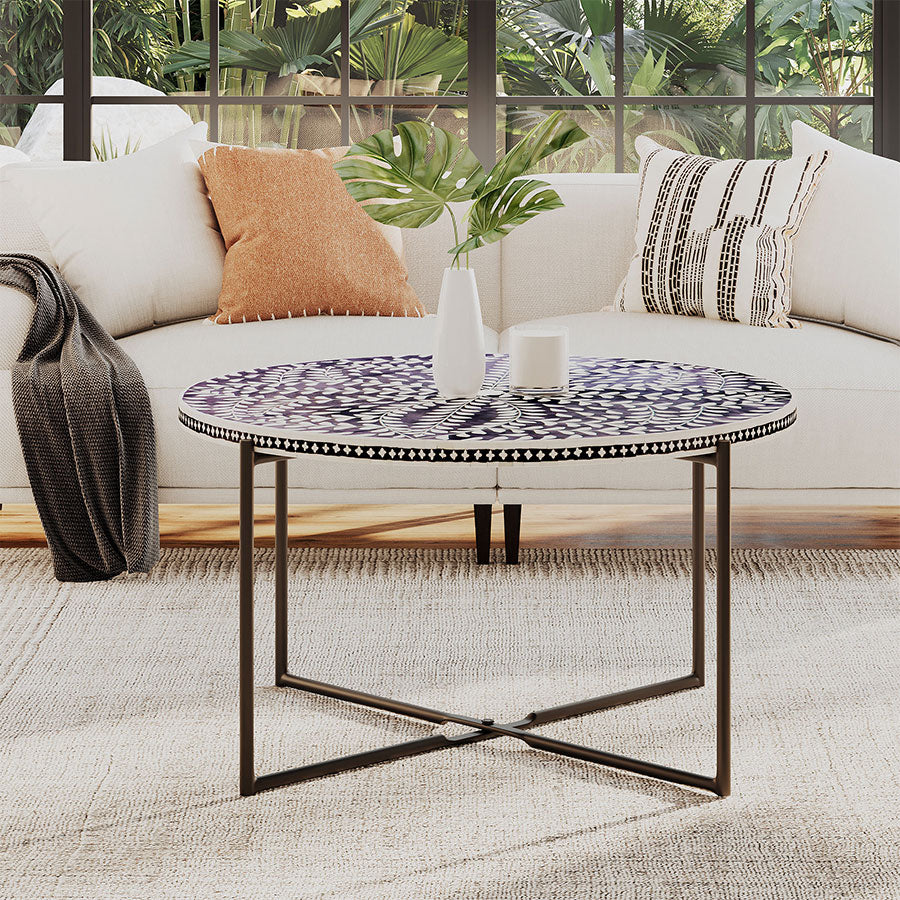
In terms of the many mango wood furniture benefits, it boasts the right amount of durability and dexterity, with its hardness usually compared to materials such as oak. As a result, taking care of it allows pieces to last for years to come, all while said material is adaptable enough to be turned into a variety of pieces, including the Isla Scalloped Round Side Table. This strength also makes it fairly low maintenance to take care of, especially since mango wood is a medium hardwood that can take on everyday wear and tear without dents and dings and even repel water.
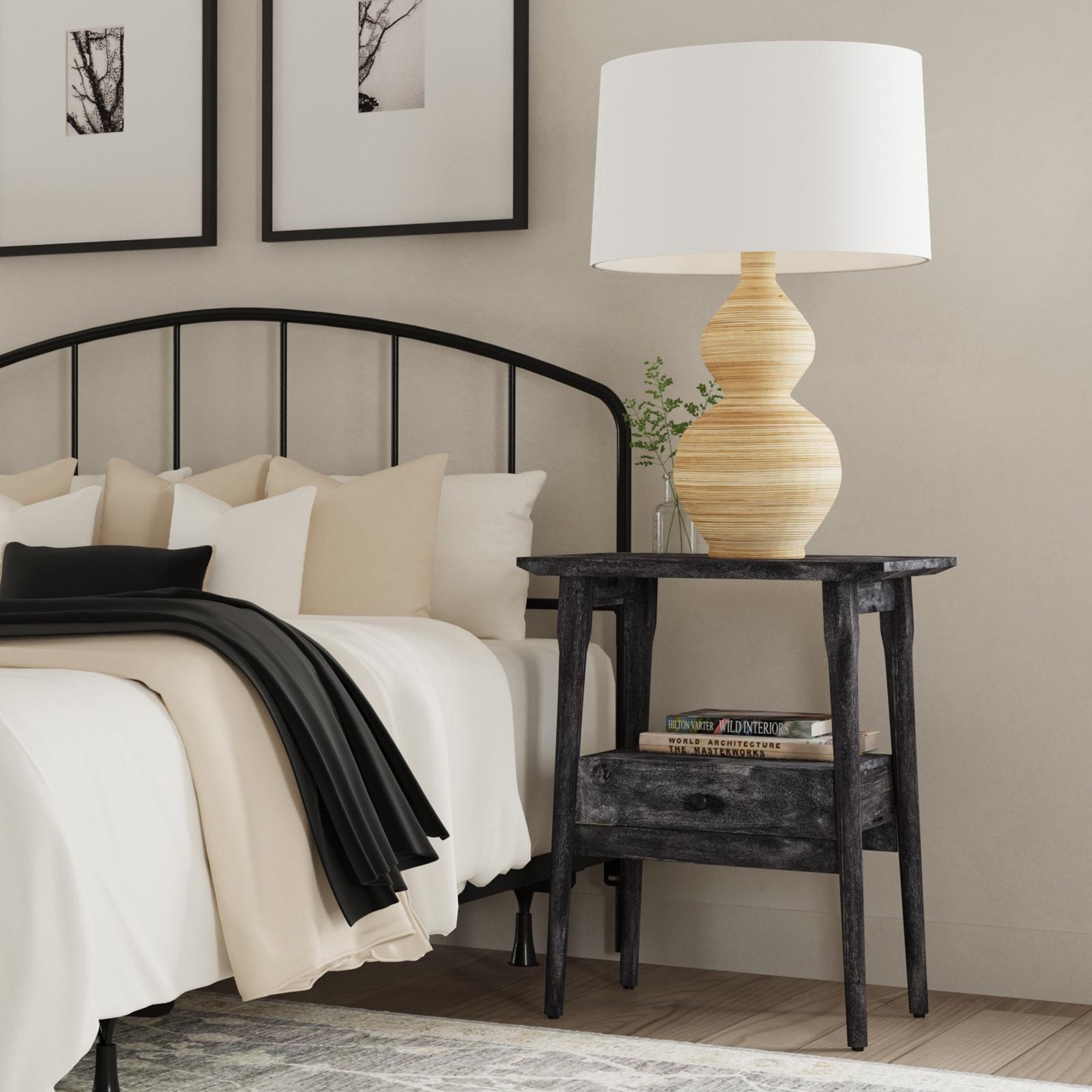
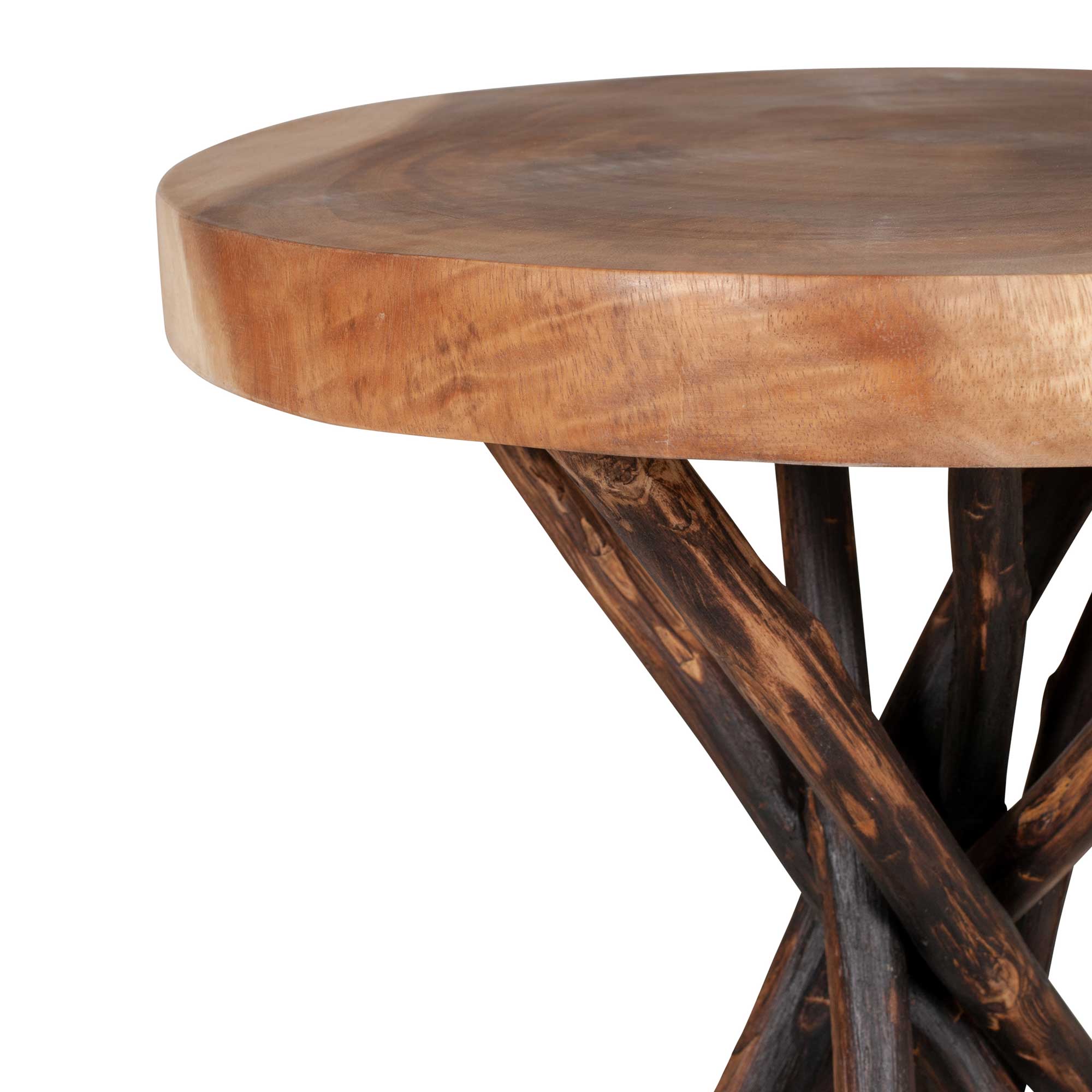
Speaking of the surface, the natural variations present in mango wood pieces make each of them unique, allowing it to blend in with a variety of interiors. Arguably, this ties back into the sustainability of mango wood, with pieces such as the Iggy Solid Mango Wood Storage Cabinet working as a rustic addition or in other types of interiors. Mango wood is also a lot more affordable than other substances, making it a frugal but still luxurious choice for those looking to furnish their homes.
East at Main prides itself on pushing sustainability to the forefront of furniture, and it’s just as important as having a stylish centerpiece. The mango wood furniture in our selection is also FSC-certified, guaranteeing that the sourcing meets strict environmental standards that leave a positive outcome instead of a negative impact. Reclaiming materials that might have otherwise gone unused, these pieces best represent the modus operandi of East at Main. From dining tables to arched sideboards, mango wood is the missing piece that delivers a sustainable finishing touch.