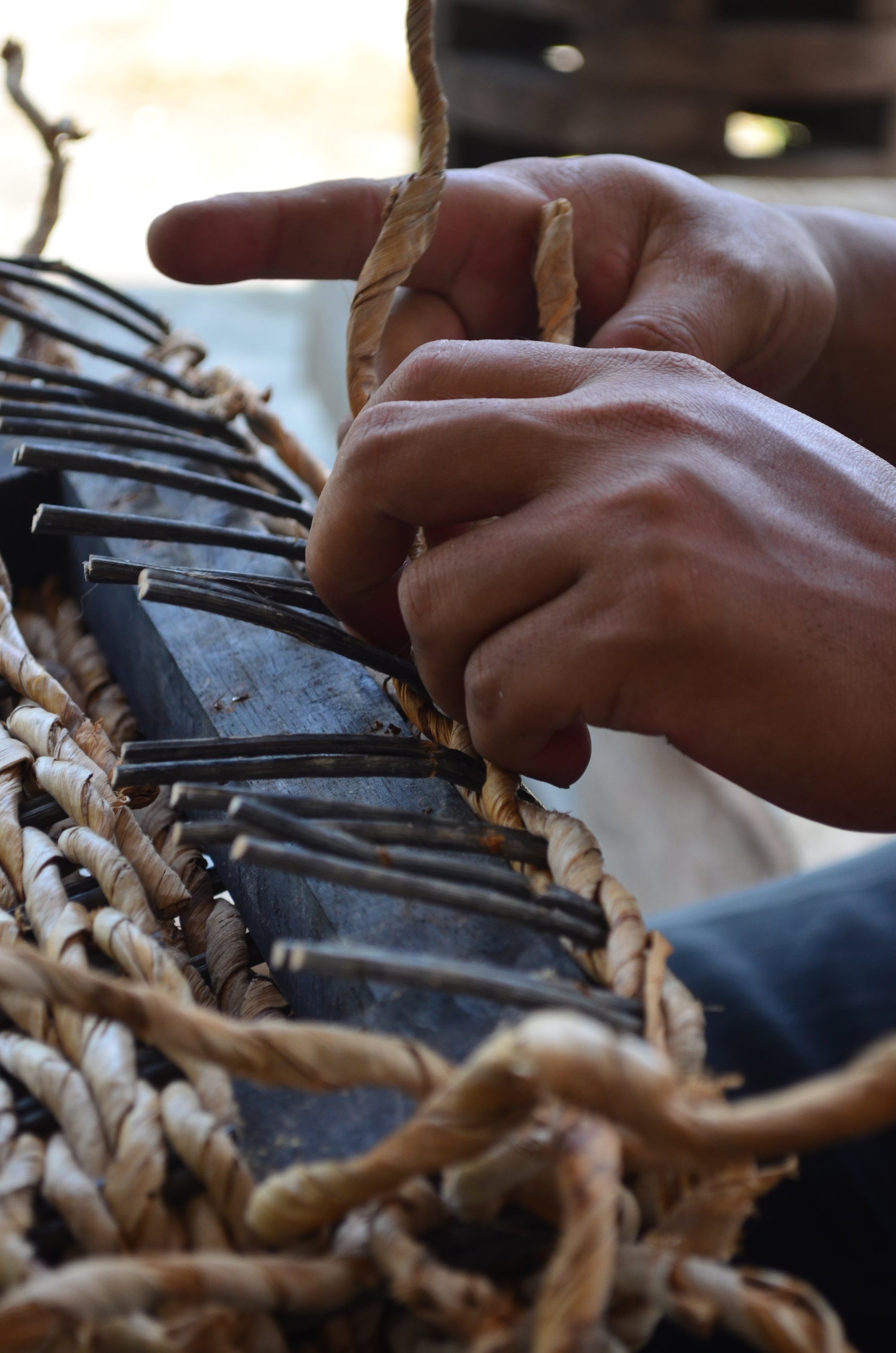
Rattan furniture is all the rage in today’s market, with rattan side tables being just one manifestation of this trend. Far more than just a fad, the material has a long history, with the roots of this legacy extending all the way back to the forests of Southeast Asia, among other locations. While there are many products that claim to use rattan, the real thing has several qualities that can’t be so easily imitated. The stylistic choices that make the material so timeless are especially trendy in the coming year. In fact, a lot of the design elements poised to rise in 2026 can be found through rattan as a whole and rattan side tables in particular.
What Started the Modern Rattan Movement?

Rattan as furniture and décor material has been present around the world for centuries, with various cultures using it for baskets and other items. For instance, weaved designs were quite common in Ancient Egypt, with this also inspiring their use in Rome. The Victorian era was an artistic heyday, with rattan furniture used for halls and meeting places serving the rich and elite. In the 1960s and 1970s, the popular psychedelic aesthetic and the hippie movement further popularized the natural appeal of the material.
Artists and designers such as Gabriella Crespi led the charge in championing rattan as a classic form of craftsmanship that would still appeal to modern, global consumers. The more exotic Oriental aspects of its history were emphasized in these newer pieces, as the increased interest in these parts of the world during the ‘70s made rattan more marketable than ever. Many of the more ornate designs of the Victoria era were ditched, with the new fibrous designs created from the material giving an entirely new definition to the term “flower power.”

Of course, once the neon, pastels and Memphis Milano excess of the 1980s hit, Boho was a no-go, and this left little room for rattan in anyone’s home. History repeated itself more recently in the 2010s, with the renewed interest in Bohemian designs seeing rattan side tables become even more chic than ever. Whether people lived in the big city or more rural settings, many started looking for “biophilic” designs that connected homes a bit more to the natural world. Now, the desire for more rattan furniture is fueling several local industries in Southeast Asia, with Indonesia being the main hub for rattan harvesting.
A big part of the current wave of interest for these side tables and other pieces is how sustainable rattan is. Growing much faster than other natural products and being far better for the environment compared to plastic and other synthetics, rattan is economical, ergonomic, and efficient. Much of the craftsmanship that goes into these pieces involves generations of skill and artistry being passed down within rural communities, and the result is a style of décor and furniture that continues to take the interior design world by storm.
Rattan’s Appeal and Potential Isn’t Defined by Time Periods

Given that it’s been used for furniture for centuries, some might expect that rattan side tables are automatically a “classical” design choice. The reality is that the use of rattan in different eras has allowed it an aesthetic versatility that’s just as malleable as the material itself. For instance, rattan side tables that utilize more of a woven design tend to look more Victorian. On the other hand, rattan side tables that only really emphasize rattan itself add more of the natural Bohemian vibe that’s still timelessly fashionable. The Betty Skirted Rattan Accent Table is a great example of this, and adding this piece to a bedroom or living room is a good way to include some flowy, natural modernity to the vibe. This sense of movement fits well given the skirted design, and it creates a more organic silhouette that works perfectly in the vein of the natural aesthetics of 2026. When complemented with other pieces, it can also add a French Country Style air to the room. Whether it’s old-school allure or a more modern twist, rattan side tables can provide this and more to any room in the home.
Rattan Fits in Perfectly with 2026 Design Trends
Rattan Adds Organic, “Lived-in” Luxury

One major design trend for 2026 is to eschew perfectionism in favor of making things feel organic and right at home. This extends to luxury items, and with rattan, you don’t have to choose between style and comfort. Due to its texture, rattan adds the kind of natural aesthetic that makes a space feel welcoming, all without sacrificing a sense of grandeur that’s worth every dollar. It’s also a great example of the broader “organic luxury” concept that ties into other growing trends such as biophilic designs. This all emphasizes an exotic, natural aura that brings the outdoors inside with vibes that are as comforting as they are eclectic. Consumers increasingly want a home that welcomes them in while also taking them away, and given its storied appeal, it’s no wonder that rattan is still making history in 2026.