A well-designed living room should feel inviting, comfortable, and full of character from the moment you walk through the door. While furniture, color, and texture play an important role in creating that atmosphere, living room lighting can have just as much influence on how a space looks and feels. The right fixtures can make a room feel warm and welcoming, while too much brightness—or not enough—can leave it feeling cold, flat, or visually unbalanced.
That is where layered lighting comes in. Rather than relying on a single ceiling fixture or lamp, a thoughtfully designed lighting plan combines multiple sources at different heights and locations. Ambient, task, and accent lighting each serve a distinct purpose, working together to provide general illumination, focused light, and decorative highlights. Understanding how these three layers function is the key to creating a living room that feels both functional and atmospheric.
Ambient Lighting: Start With the Glow

Ambient lighting is the foundation of any living room lighting design. Also known as general lighting, it provides the overall illumination that allows you to comfortably move through and enjoy the space. Ceiling fixtures are one of the most common ways to establish this baseline, but choosing the right fixture can make overhead illumination much more than a purely practical necessity.
A fixture such as the Java Dome Handwoven Rattan Pendant demonstrates how ambient lighting can contribute to the room's overall design. At nearly 24 inches wide, its substantial scale gives it enough presence to act as a visual focal point, while its handwoven rattan construction introduces natural texture. This helps to create a softer, more organic appearance than a stark overhead fixture, making it particularly well suited to living rooms that incorporate natural materials and relaxed design elements. Too much overhead illumination can make a space feel flat and overly exposed, while too little can leave important areas in shadow. The next two layers help refine that overall glow.
Task Lighting: Put Light Where You Actually Live

While ambient lighting establishes the room's general brightness, task lighting provides more concentrated illumination exactly where it is needed. The goal of task lighting isn't simply to add another light source, but instead to bring light closer to the places where everyday activities happen. This type of lighting is particularly useful around seating areas, desks, reading chairs, or other places where people spend time completing specific activities.
By bringing additional light closer to these areas, task fixtures can make everyday activities more comfortable without requiring the entire room to be brighter. Table lamps are one of the easiest ways to incorporate task lighting into a living room. Placed beside a sofa or favorite chair, a lamp can provide a more focused source of illumination while also adding another decorative element to the space.
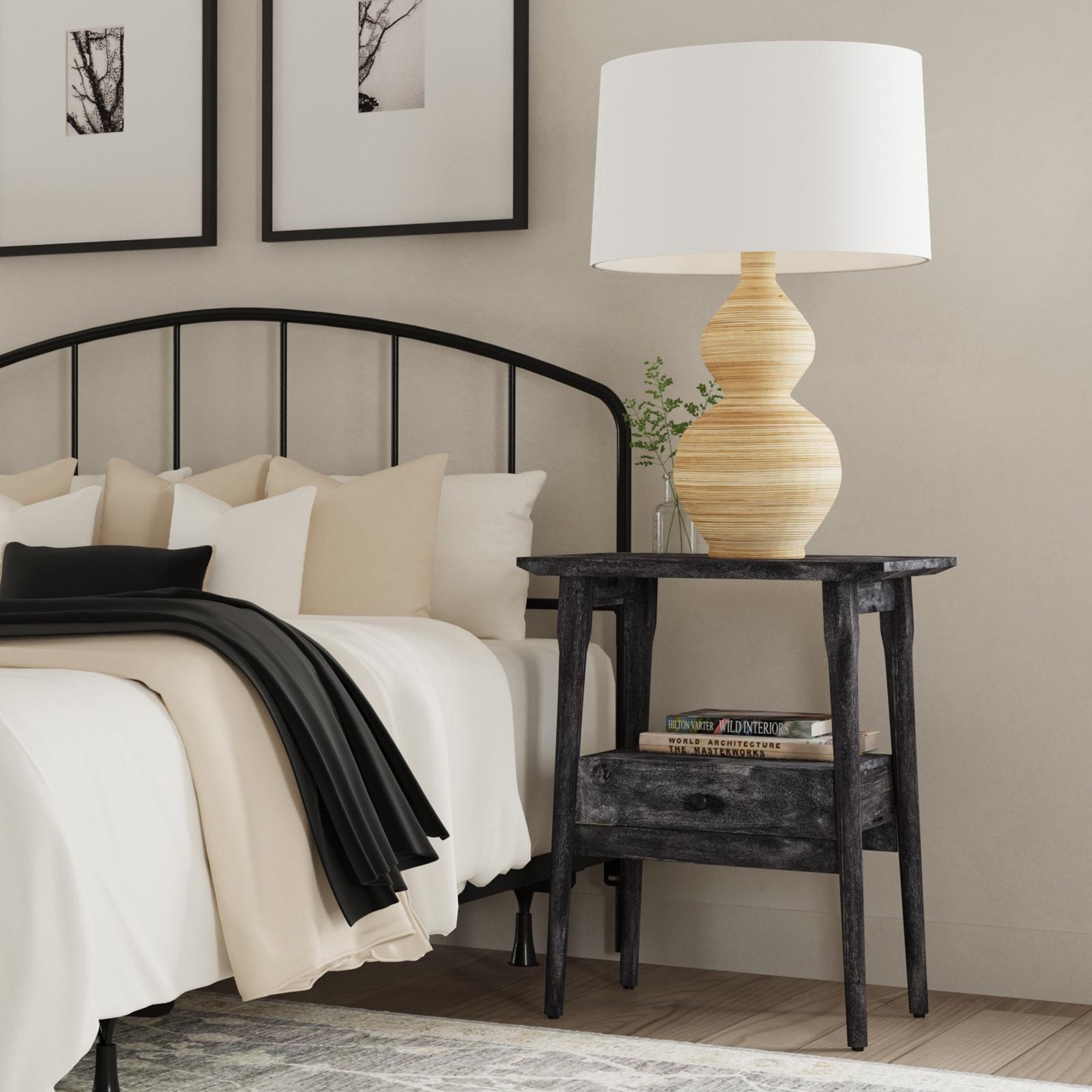
The Turaga Table Lamp is one example of how a smaller fixture can introduce this type of focused light. Its rectangular shade helps direct and soften the illumination, making it well suited for placement beside a sofa or chair. Beyond providing additional brightness, its shape and material can complement the surrounding furniture and reinforce the overall aesthetic of the room.
Accent Lighting: Let Your Favorite Pieces Shine

The third layer is accent lighting, which shifts the focus from what you are doing to what you want to see. Rather than illuminating an entire room or a particular activity, accent fixtures create smaller pools of light that draw attention to artwork, greenery, architectural features, decorative objects, or beautifully styled furniture. This makes accent lighting an especially useful tool for adding depth and personality to a living room.
Accent lighting can also be used to highlight greenery, frame a sofa, emphasize natural textures, or bring attention to architectural details. The Marisol Table Lamp is a strong example of decorative accent lighting. Featuring a carved solid-wood base with a distinctive spiral form and natural finish, the lamp functions as both an illumination source and a decorative object. Positioned on a console, credenza, or side table, it can cast a gentle glow around a curated vignette or help draw attention to nearby artwork and décor.
How to Layer All Three in One Living Room

The best living room lighting ideas don't treat ambient, task, and accent lighting as competing elements. Instead, each layer should occupy a different role within the room. Begin with an overhead fixture such as the aforementioned Java Dome Handwoven Rattan Pendant to establish the room's general illumination. This ambient layer provides the foundation while leaving room for additional sources at lower levels.
Next, introduce task lighting near the areas where you spend the most time. A table lamp positioned beside a sofa or chair can provide concentrated illumination without requiring the overhead fixture to do all the work. From there, incorporate accent lighting in another area of the room—perhaps on a console, credenza, or side table—to create a softer pool of light around artwork, greenery, or decorative accessories.
Pay attention to height and placement as you build your lighting scheme. An overhead pendant illuminates from above, while table lamps bring light closer to eye level and accent fixtures can create pockets of illumination around the room. Distributing these sources instead of concentrating them in one area helps create a more cohesive and visually comfortable environment.
The goal isn't to make every corner equally bright. Instead, layered lighting creates contrast, depth, and visual rhythm, allowing brighter areas to coexist naturally with softer shadows. When ambient, task, and accent lighting each have a clear purpose, your living room becomes more than simply well-lit—it becomes warm, inviting, and thoughtfully designed from day to night.