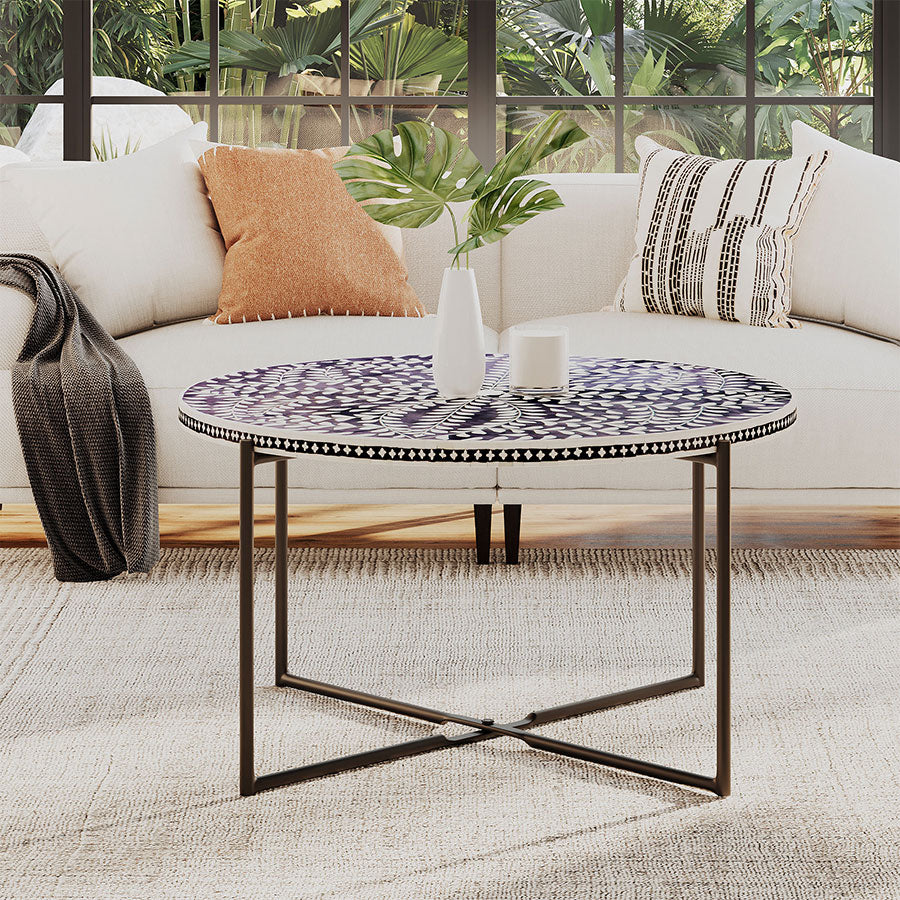
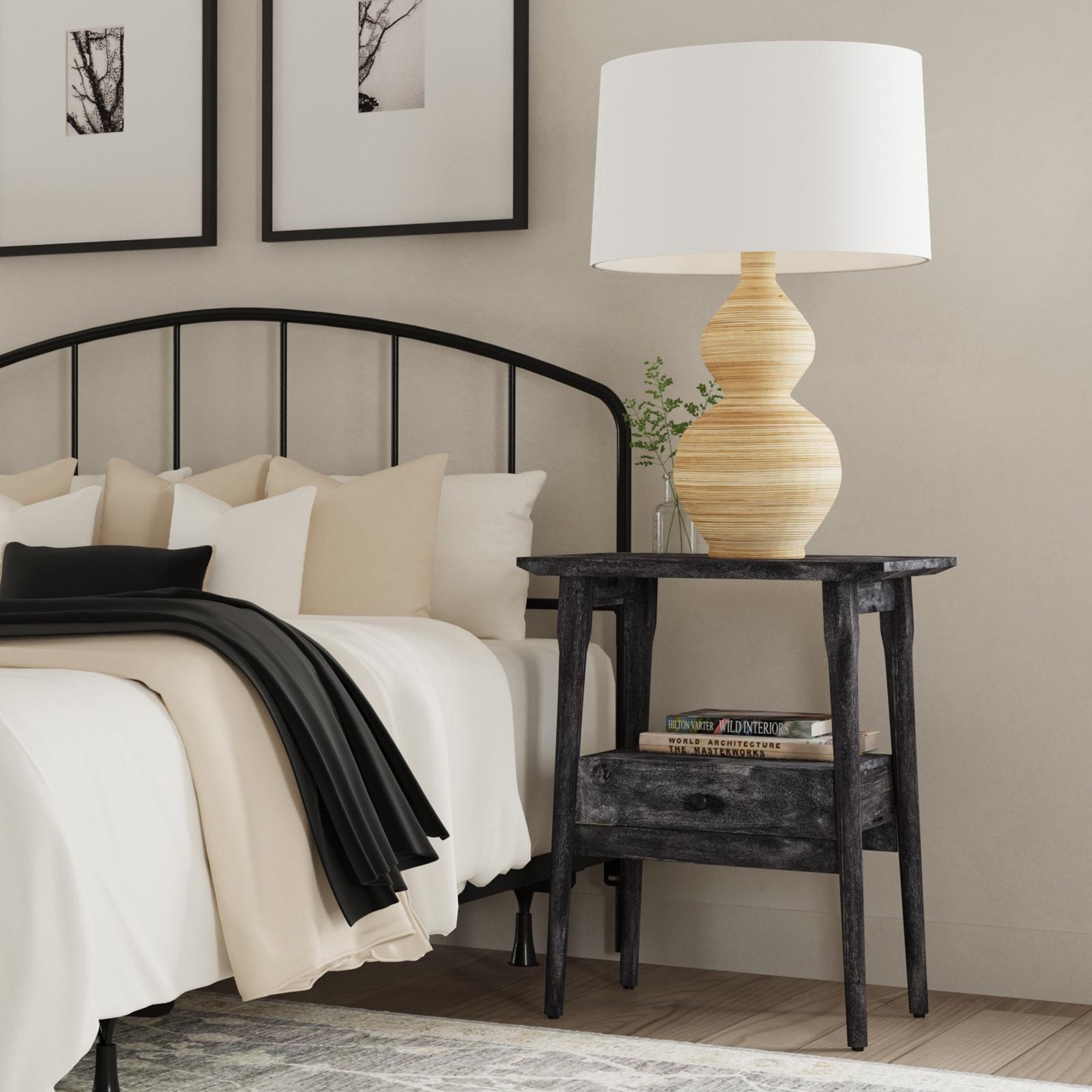
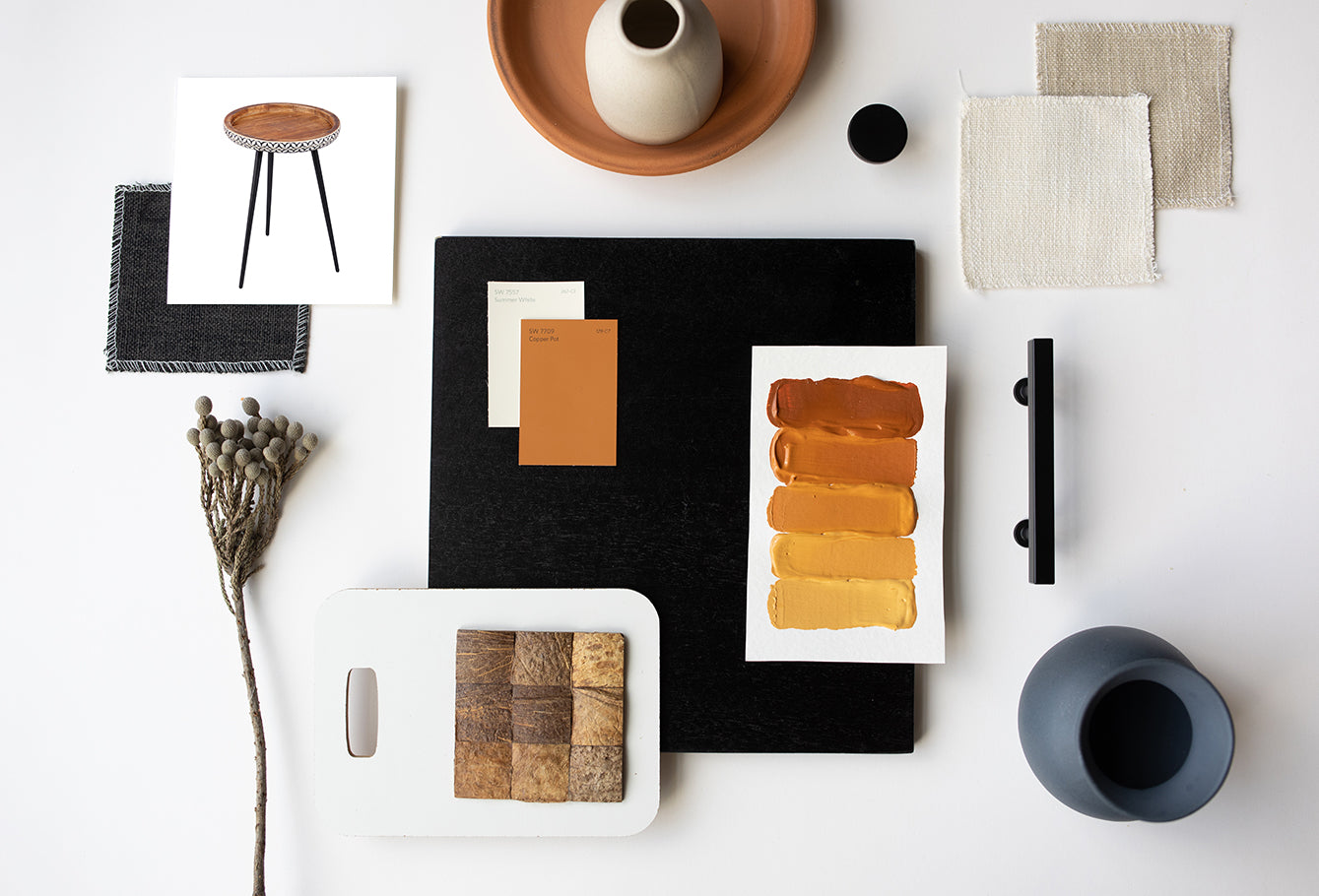
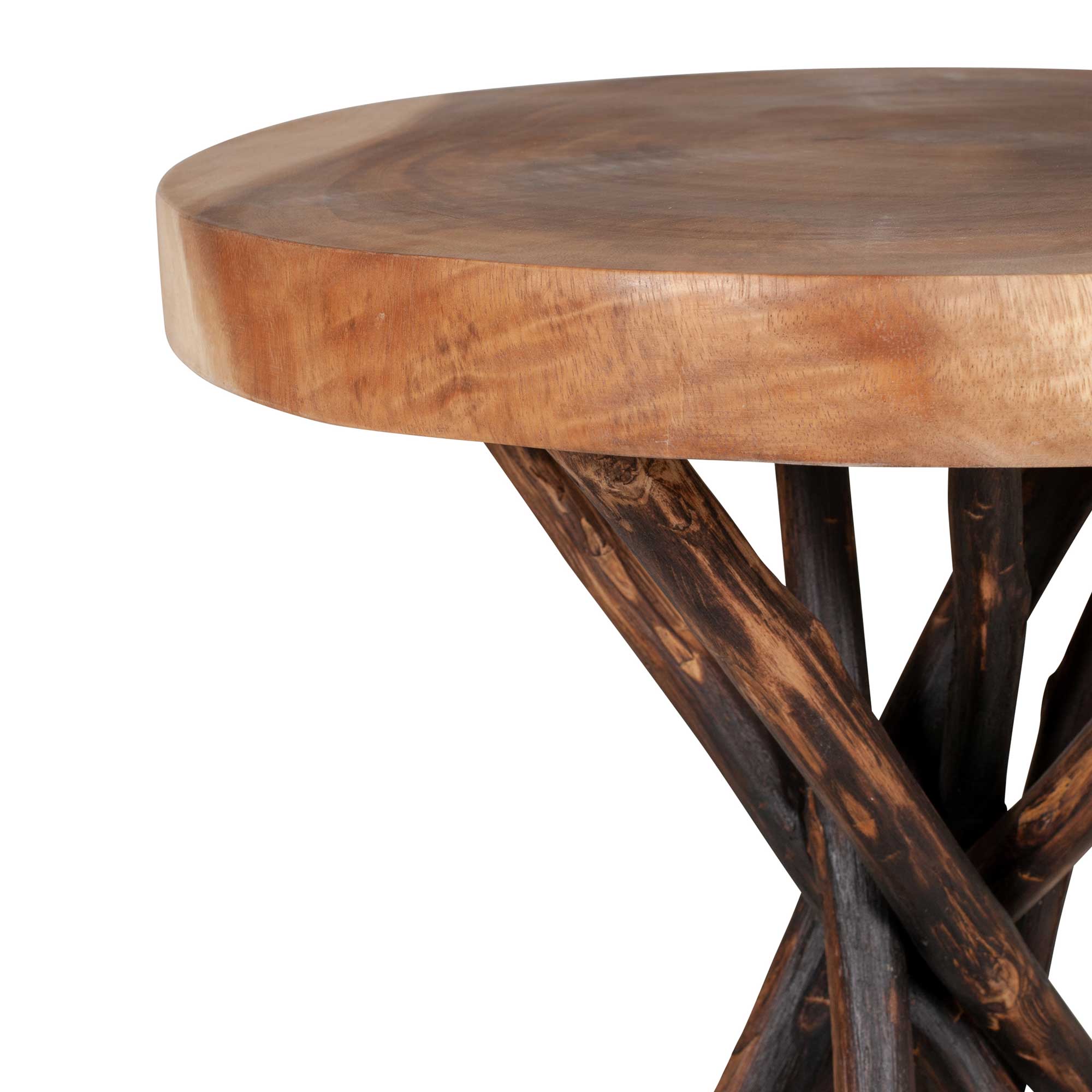
Pillows may be one of the simplest pieces of home décor, but their impact on a room can be anything but small. From decorative throw pillows on the living room sofa to supportive cushions on an accent chair or layered bedding in the bedroom, the right pillow arrangement can introduce color, pattern, texture, and comfort without requiring a complete interior redesign. They also offer an easy way to experiment with different design styles, making it possible to refresh a space simply by switching out a few accessories. The trick is knowing how to style and layer pillows so that the finished arrangement feels intentional, inviting, and polished rather than crowded.
How to Style Pillows Without Overloading a Room

When arranging decorative pillows, perfect coordination isn't necessarily the goal. In fact, using identical colors, patterns, and shapes throughout a room can make an arrangement feel overly uniform. Instead, focus on creating visual cohesion throughout the space.
Color is an especially effective place to begin. Lighter, cooler, and less saturated shades can contribute to an open and airy appearance, while a strategically placed accent color can draw attention to a particular piece of furniture or architectural feature. The Marigold Jacquard Pillow, for example, introduces a vibrant yellow hue and floral pattern that can brighten darker upholstery and add a lively focal point to a neutral interior.
Its botanical-inspired design also demonstrates how a decorative pillow can connect seemingly different furnishings. Placed near natural materials and woven accents, the Marigold's organic motif feels right at home alongside pieces such as the Betty Skirted Handwoven Rattan Coffee Table.
You can reinforce that connection by using multiple Marigold Jacquard Pillows throughout a seating arrangement. Place them on a sofa, or introduce one into an accent chair such as the Yulia Barrel Open-Weave Rattan Occasional Chair. When a pillow already features an intricate floral pattern, balance the arrangement with solid-colored throw pillows, understated blankets, or other quieter textiles. This gives the eye somewhere to rest while allowing the statement pillow to remain the focal point.
The same principle applies when decorating a living room, den, reading nook, or bedroom: coordinate your accessories rather than duplicating them. Repeated colors and complementary materials connect things visually, while variations in pattern and silhouette keep the overall look interesting.
Square or Lumbar: Choosing the Right Pillow Shape

Pillow shape plays a surprisingly important role in both comfort and interior styling. While square and lumbar pillows can easily coexist in the same arrangement, each serves a different purpose.
Square pillows are among the most adaptable options for home décor. Their symmetrical silhouette works naturally on sofas, beds, benches, and accent chairs, while their shape provides plenty of support for lounging. A square design such as the Cobble Embroidered Pillow can function as both a comfortable cushion and a decorative focal point, particularly when its embroidery or other surface details add visual interest.
Square pillows are also useful as the foundation of a layered arrangement. Place larger cushions toward the back of a sofa or bed and bring smaller decorative designs forward to create depth. Their balanced proportions make them particularly effective when paired with contrasting shapes.
Lumbar pillows, by comparison, have a longer, narrower profile that makes them especially useful for supporting the lower back. The rectangular Sterling Velvet Pillow is a good example of how a lumbar silhouette can combine practical support with decorative appeal. Positioned against the back of a sofa or accent chair, its elongated shape can provide additional support while breaking up an arrangement dominated by square cushions.
Add Texture with Velvet, Chenille, and Embroidered Details

Once the basic arrangement has been established, texture can keep a room from feeling visually flat. Mixing fabrics is an easy way to add dimension without introducing additional colors or patterns.
In a bright, light-filled living room, the neutral tones of the Aster Chenille Pillow can provide a softer counterpoint to more colorful furnishings. Its chenille construction brings tactile interest to an arrangement without overwhelming the surrounding décor. Used as a pair in accent chairs, square Aster pillows can create symmetry while giving the seating area a more finished appearance.
Because the design already provides visual detail, consider pairing these pillows with simple blankets, quilts, or throws in complementary shades. Soft blues, muted neutrals, and other understated tones can reinforce the palette without competing for attention.
On a sofa, the rectangular Hayes Pleated Velvet Pillow offers another approach to adding dimension. Its deeper neutral coloring provides contrast against lighter upholstery, while the pleated velvet introduces a subtle three-dimensional quality. The result is a pillow that feels sophisticated enough for a formal seating arrangement but comfortable enough for everyday use.
And these materials aren't limited to the living room. Velvet and chenille pillows can transition naturally into bedroom décor, where plush fabrics and layered textiles contribute to a more comfortable, inviting atmosphere. A lumbar pillow placed in front of larger bed cushions can provide the finishing touch to a thoughtfully arranged bedding ensemble.
Don't Forget the Pillow Insert
A beautiful pillow cover only tells part of the story. The insert inside can have a significant effect on the way a decorative pillow looks and feels. East at Main's pillow options feature premium 100% down feather inserts, providing the soft, plush feel associated with high-quality pillows.
Down and feather construction can create a fuller appearance while allowing the cushion to remain comfortable and inviting. That combination of loft and softness helps pillows look substantial rather than flat, particularly when they're arranged on a sofa, bed, or accent chair. This is especially important when layering multiple cushions.
Create a Pillow Arrangement That Feels Collected, Not Crowded

Styling pillows doesn't need to be complicated. The most successful arrangements generally rely on a few simple principles: vary your shapes, introduce complementary textures, repeat select colors, and balance statement patterns with quieter pieces. From a floral jacquard accent on a living room sofa to a plush lumbar pillow in a bedroom, each addition should contribute something different.
Most importantly, don't feel obligated to redesign an entire room to make an impact. Pillows are one of the easiest ways to introduce a new color palette, seasonal accent, pattern, or texture while working with the furniture you already own. With the right combination of pillows, rich fabrics, decorative details, and comfortable inserts, a few carefully chosen cushions can refresh everything from the living room and bedroom to an occasional chair or cozy reading corner.