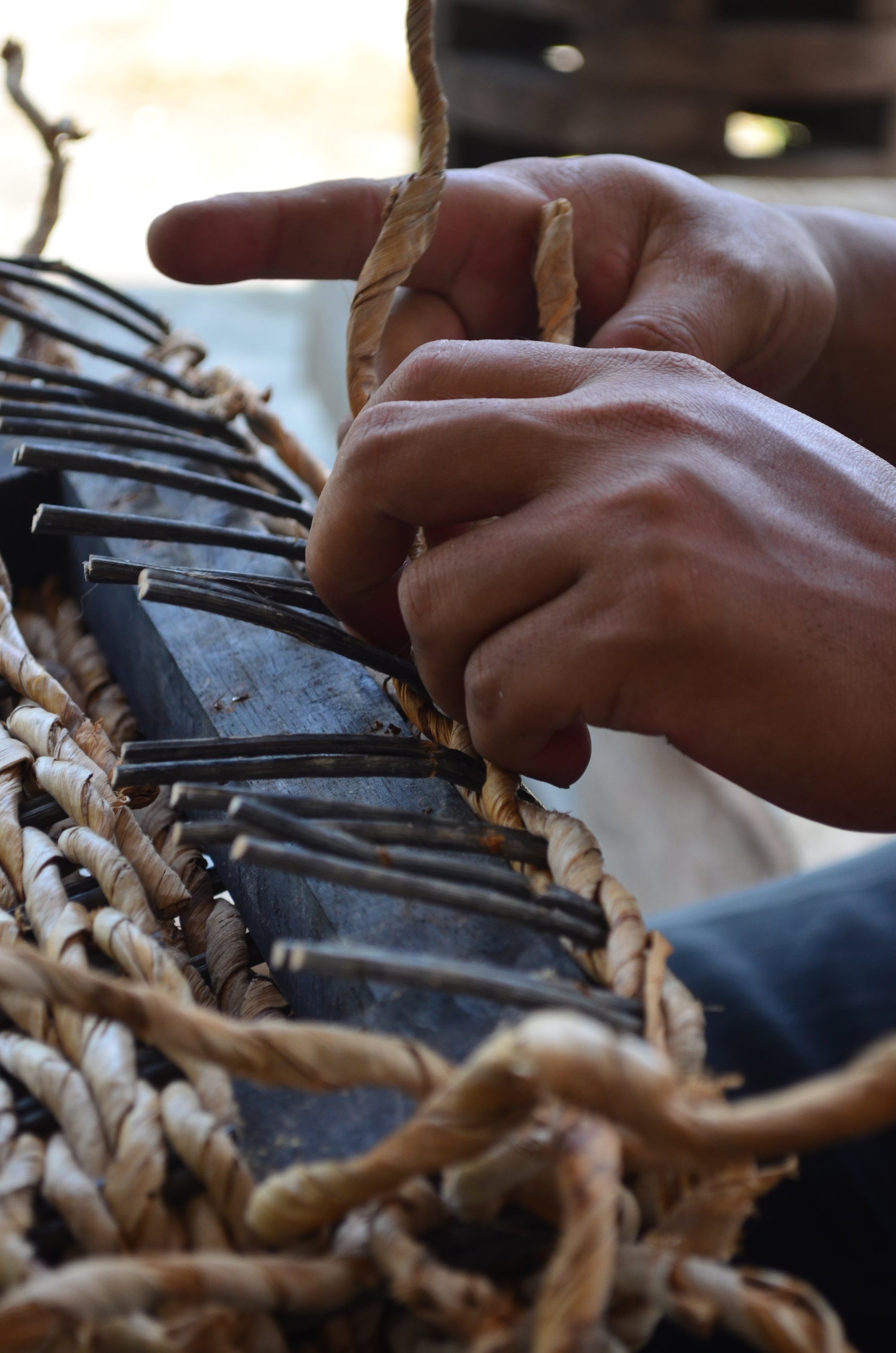
Recently celebrated on March 8, 2026, International Women’s Day is a global celebration of women who make strides in their industries and their communities. The sustainable furniture industry is no different, with this field directly impacted by women every day. While the focus for this holiday is many times on executives and “higher profile” individuals, there are several unsung craftswomen in the world of furniture and décor who are just as critical in turning overlooked materials into integral parts of homes around the world. These women form the backbones of entire sections of industries, and their artisanal skill results in tangible quality that deserves to be put in the spotlight.
Sustainability is a Family Affair

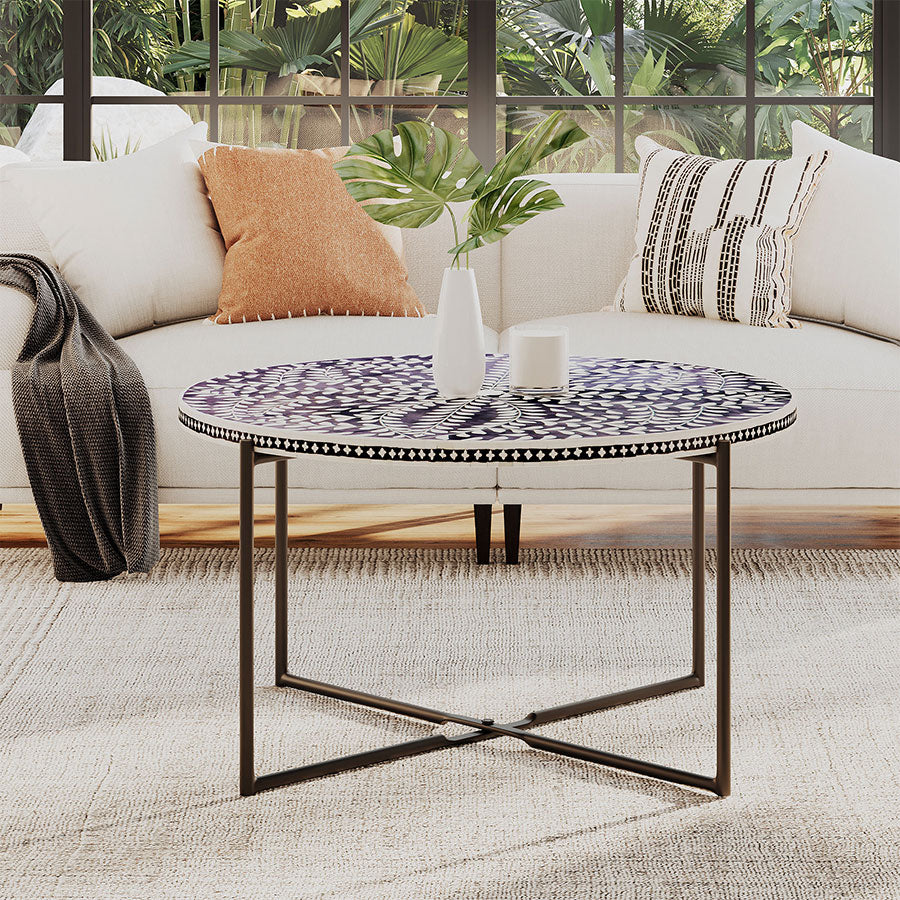
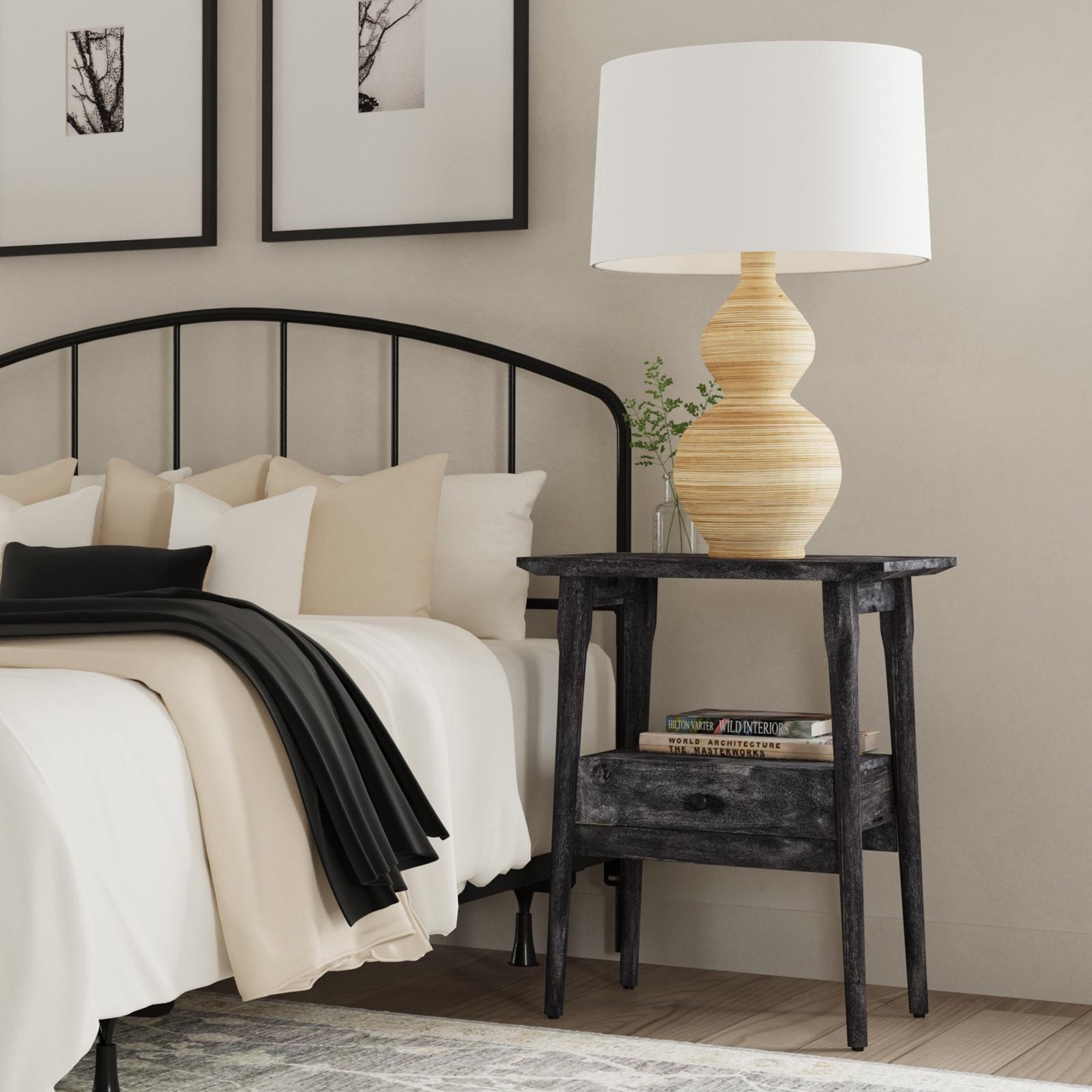
Sustainability is more important than ever when it comes to the furniture and décor, and women are a huge part of that. After all, women are ranked as making up almost 40% of the global renewable energy industry, as reported by the International Renewable Energy Agency. This isn’t just in major decision-making roles, with some of the most important women in this industry being at the root – literally. This can be seen in the sustainable furniture products sold by East at Main, which carry the handiwork of generations of women in their every inch.
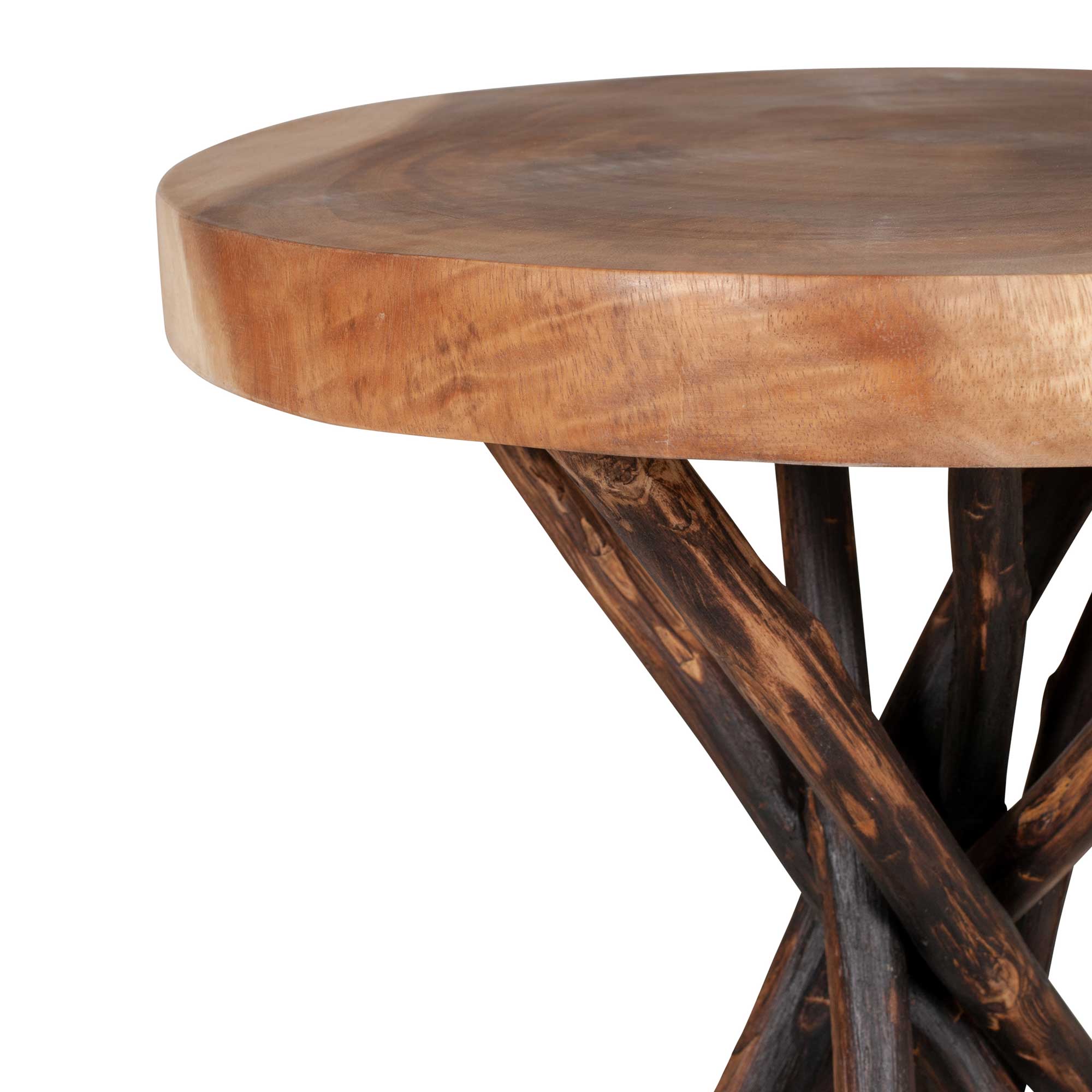
Artisan-crafted furniture made from rattan, teak wood, and other sustainable materials are sourced from countries such as Indonesia and India. Part of the appeal is how renewable they are, as they’re far more ecological than traditional woods and other substances. Rattan is also somewhat rare in certain areas, owing to its tropical allure. As a result, it takes a finely tuned hand to be able to craft these canes into pieces such as the Valencia Natural Handwoven Rattan Dining Chair.
Several families in these countries have made their living through harvesting and crafting different materials into sustainable furniture. The cornerstones are generations of female artisans who have honed their masterful skills of weaving, molding, and carving and passed those onto their children. Far more than just craftswomen, these industrial matriarchs are the custodians of a tangible heritage. It ironically reflects the nature of some of the materials, with handwoven rattan being stronger the older that it is.
Empowering Women Through Environmental Stewardship
The biggest benefit of purchasing sustainable furniture isn’t about style or feng shui, but the dual impact it makes on the world at large. The biggest beneficiary would be the environment itself, with renewable resources being much better for nature. Beyond that, however, it’s a way to further cultivate an industry that remains an inarguable lifeline for a myriad of artisanal women and their families.
 Besides harvesting and treating the materials, the artisans also dye, weave, polish, and shape it into the finished products that fill furniture stores and living rooms. Rattan-harvesting is vital to the maintenance and cultivation of South Asian peatlands, with the women in charge ensuring the vitality of their livelihoods and environments given the potential threat of fires. This shows just how important they are in keeping the ecosystem safe while also making sure that the industry itself stays alive.
The extensive time and labor-intensive nature of crafting these materials is also something of a double-edged sword. Sadly, the skills behind this production are being increasingly lost from generation to generation. Thankfully, numerous NGOs have stepped in to support training to help bridge the gap between the sustainable furniture that these multitudes of women create and international markets. In the end, it still falls on these women who’ve been there for generations to turn nature’s gifts into unmatched artisanal décor and furniture pieces. Companies such as East at Main wouldn’t exist without their skill, toil, and talent, and celebrating their expertise deserves far more than just a single day.